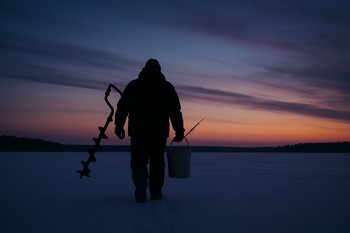
Hole B21 · dusk · quiet
Slow spoons on a calm, shallow shelf
A row of holes on a soft shelf produced a steady dusk bite only when we stopped hopping between rigs and let one spoon do the work.
Experiment archive
This page is the shelf where all PolarHole Lab sessions land. Each run sits under a short label: hole code, time window, pressure tendency and rig family. No long stories, only clear notes.
Treat the archive like a quiet lab shelf: open one card, answer one question, then close it and move on.
Filter the shelf
The real archive can be filtered by noise level, pressure curve and rig family. Here we show the idea: three sliders that narrow down dozens of sessions into a single, calm list.
When several filters line up, the archive narrows to a handful of bite runs that match the situation on your next trip.
Highlighted runs
We keep a short strip of “teaching” experiments at the top of the archive. Each one stands for a rule of thumb that survived many trips.
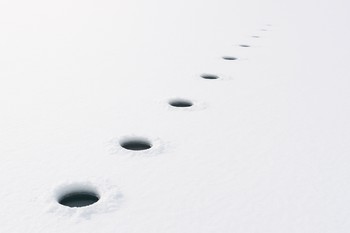
Hole B21 · dusk · quiet
A row of holes on a soft shelf produced a steady dusk bite only when we stopped hopping between rigs and let one spoon do the work.
Hole F04 · noon · creaking
On a noisy midday sheet, large spoons failed completely while a single small jig with long pauses saved the session.
Series by hole
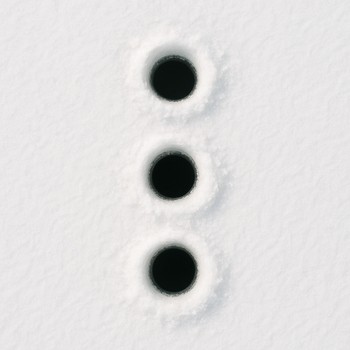
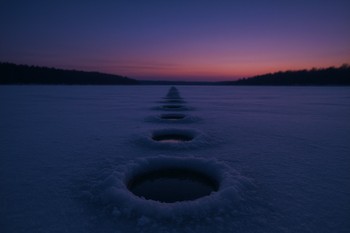
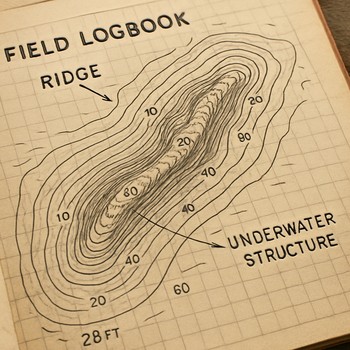
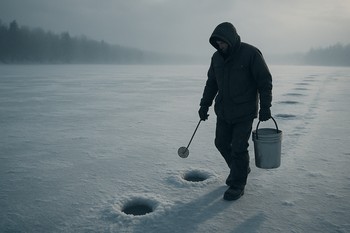
Sometimes we drill a straight line of holes along a single ridge and treat them as one experiment strip. Each sequence below notes how the bite changed from hole to hole.
Sequence R03
The first two holes stayed almost empty, while the middle one suddenly carried nearly all dusk bites.
Sequence K11
Only the border hole at the weed edge delivered steady hits; deeper spots showed fish but no clean takes.
Sequence H07
The whole line reacted only when we switched to tiny jigs and long pauses, proving that speed was the real issue.
Noise grid
We mark each run with a noise tag, then drop it into a three by three grid: time of day vs. noise level. The pattern is rough but surprisingly consistent.
Three-run sets
Most lab trips follow a simple rule: run three compact tests instead of grinding one setup all day. Below is the skeleton we copy into the notebook.
Start with a known spoon or jig to feel how active the fish are and how the ice is sounding.
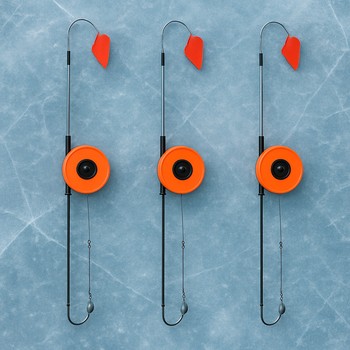
Make one loud move: colour swap, depth shift or rig type change. Log only what clearly changed.
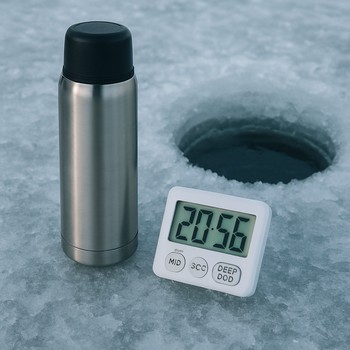
Repeat the best setup from the first two runs to confirm that the pattern is real and not just luck.
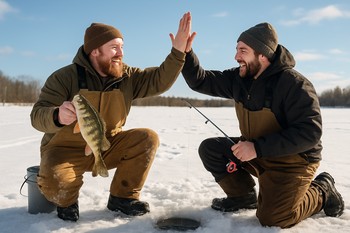
Pressure snapshots
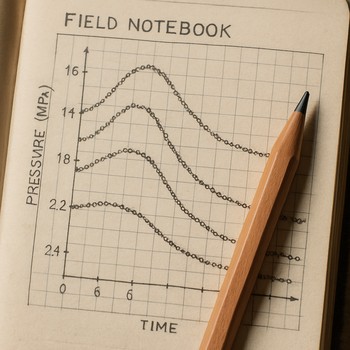
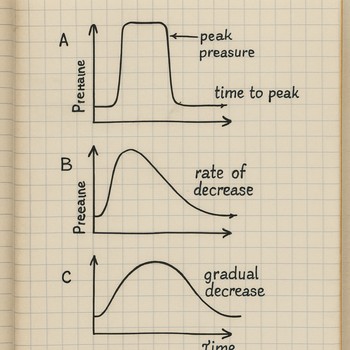
We sketch the pressure line for every serious run. Over time the pages started to repeat the same three shapes: slow climb, long plateau and sudden drop.
Bites often wake up with us: a gentle upward line and a patient spoon.
Calm, almost flat days where small tweaks matter more than bold experiments.
The archive marks these with bright ink; they often bring a short, sharp bite window.
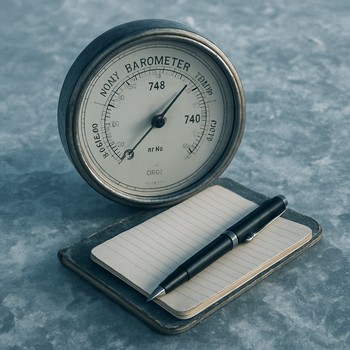
Notebook spreads
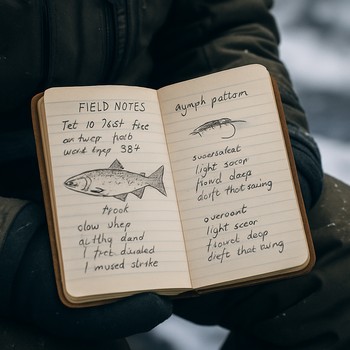
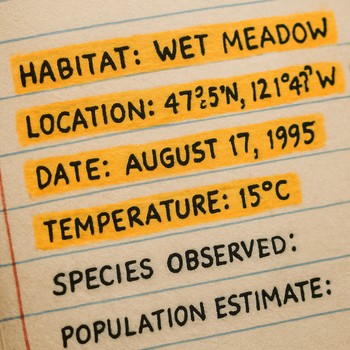
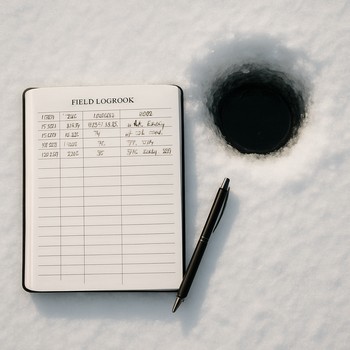
Early lab pages were messy, full of arrows and weather icons. Later spreads became cleaner: one column for conditions, one for rigs and one for real bites.
Mixed sketches and half sentences. Useful at the time, but hard to compare across the season.
Short lines, fixed order and clear time stamps. Each spread reads like a tiny experiment sheet.
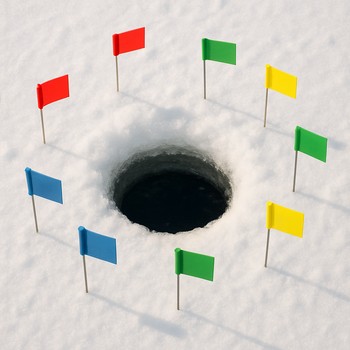
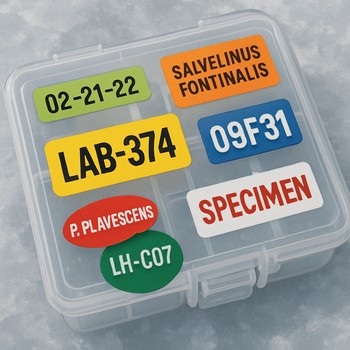
Tag legend
Depth slices
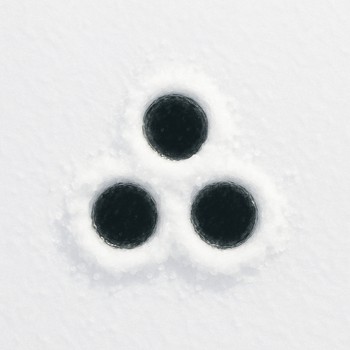
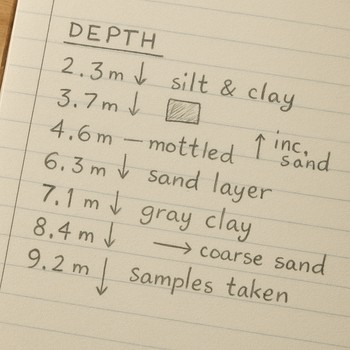
Once a season we print depth notes for dozens of sessions and pin them by hole code. The wall looks chaotic at first, until shallow shelves and deep bowls start to form clear bands.
Short drops, fast bites and many cancelled trips when the wind picked up. Most spoons lived here.
Holes where sonar marks drift in and out all day. We use them to test small adjustments, not big theories.
Fewer trips, longer notes. Deep bowls often pay off during pressure drops and quiet evenings.
Rig contrasts
Most experiments happen in pairs: one calm rig, one loud rig. Instead of arguing on the ice, we give each pair a few short runs under the same sky.
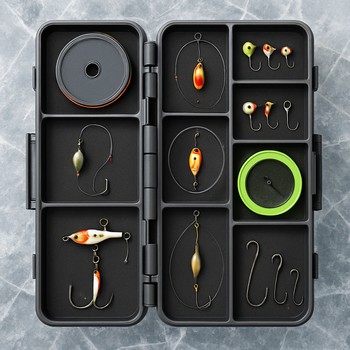
Tiny jigs, thin fluorocarbon and long pauses. These lines of text fill the calm-ice corner of the archive.
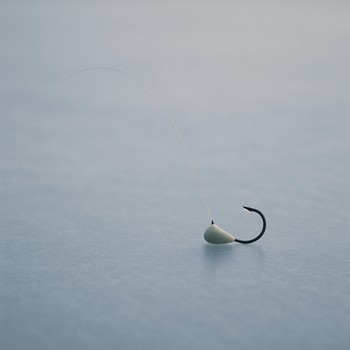
Heavier spoons, rattles and bright colours. We reach for them only when the lake is already full of noise.
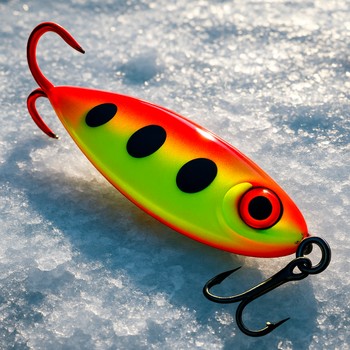
Micro trails
Some notebook lines describe tiny lure movements that unlocked a bite: three slow lifts, one tiny shake, then a long pause. We collect them in a narrow lane.
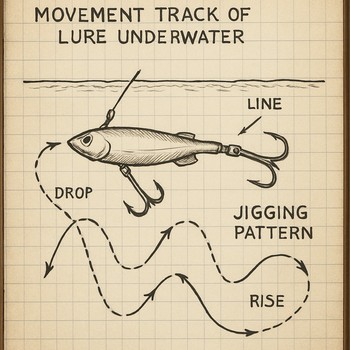
We moved a small jig slowly through the same depth band three times before pausing. Bites came on the pause only.
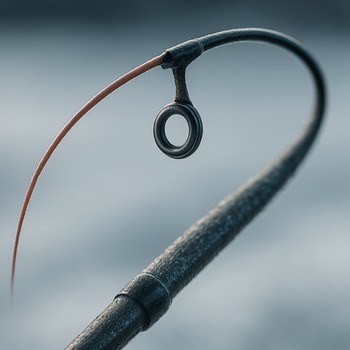
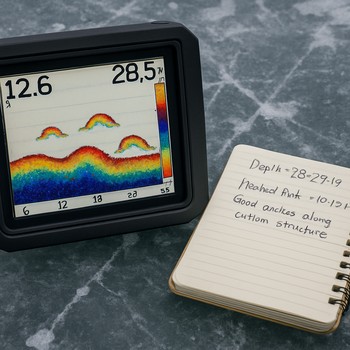
On a deep bowl, barely visible shakes just off bottom brought cautious fish into view on sonar.
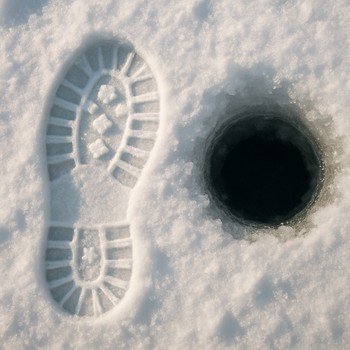
In a rare noisy session we stepped back from the hole, left the lure still and watched delayed bites appear.
Season board
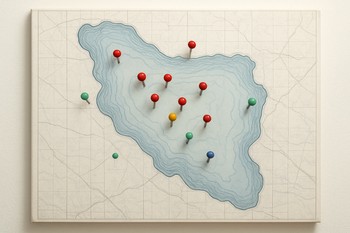
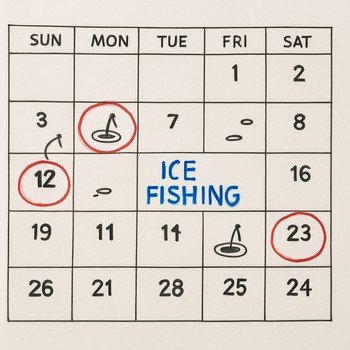
We keep a narrow board where each pin stands for one experiment day. The strip is not a calendar—it is simply ordered by ice type: first clear, thick midwinter and soft thaw.
Light rigs, short walks, many notes about sunlight and glare.
Thick snow cover and long drills; most pressure sketches live here.
Fragile ice, loud cracks, surprising short windows in the logbook.
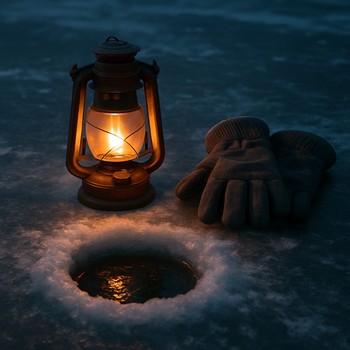
Separate pins for lantern sessions where we watched sonar instead of the sky.
Partner balance
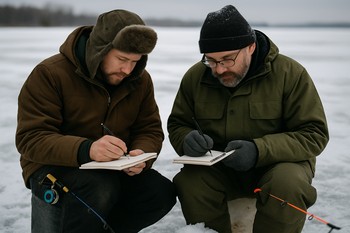
Some tests work best when two people share holes and split notebooks. Others need quiet, slow solo pacing to make sense.
Two anglers can run calm vs loud rigs at the same time or compare two depths along the same ridge.
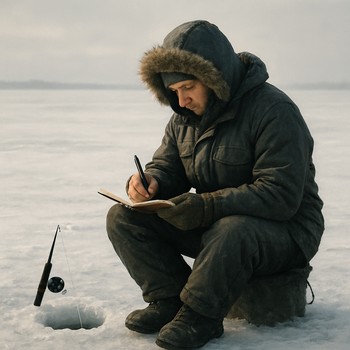
Slow hole passports, micro trails and quiet pressure days live mostly in solo notes.
Log checklist
The lab learned to be picky: we log anything that changes how the lake feels, and skip details that only clutter the page.
Session stacks
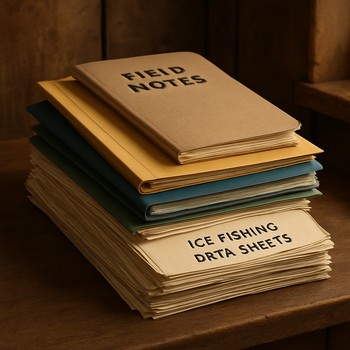
The archive is not a perfect database. It is a set of piles: some stacks are short and sharp, others are heavy and slow. We read them like stories, not spreadsheets.
A few pages from the same calm day. We scan for repeating words: “quiet”, “steady”, “same spoon”.
Several trips to the same ridge. Here we hunt for slow shifts in depth, pressure and bite timing.
Early ice, deep winter and thaw notes bundled together. They tell us how one lake changes its mood.
Your lane
You do not need a lab logo to begin. One notebook, a pencil and three simple questions are enough to build a tiny archive.