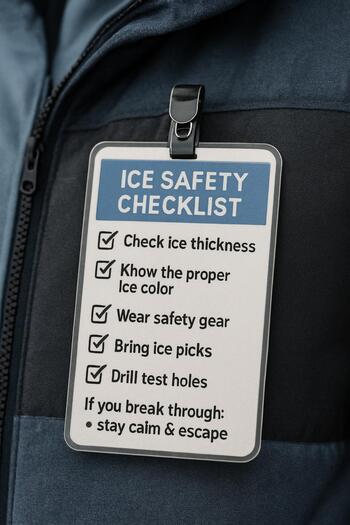
Is the ice safe enough?
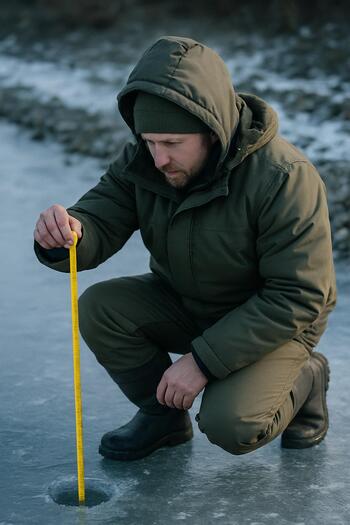
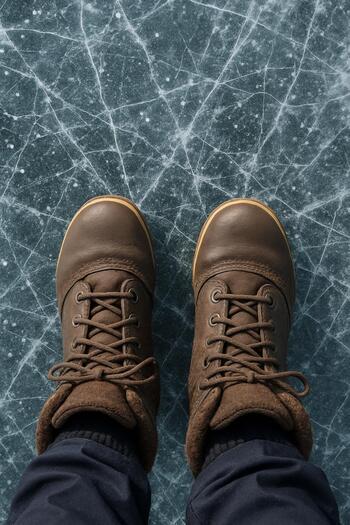
Thickness, colour and recent weather. If you are guessing, you are not ready. Measure, ask locals or turn around.
Field guides
This page is not about secret spots. It is about simple checks that turn random holes into clear decisions: where to drill, when to stay and when to quietly walk back to shore.

Before the first step
You do not need a long checklist. Stand still, breathe and answer three questions out loud. If any answer feels messy, pause and fix it before you go.
Thickness, colour and recent weather. If you are guessing, you are not ready. Measure, ask locals or turn around.
Decide on one simple theme: depth band, rig family or time window. Everything else is a side note.
Pick a clear end time and stick to it. The lake will be there tomorrow; you do not need to chase perfect graphs.
Sketch the lake
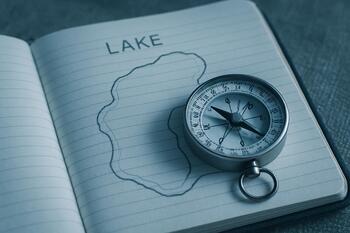
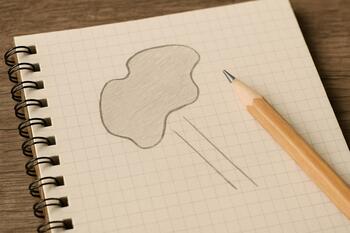
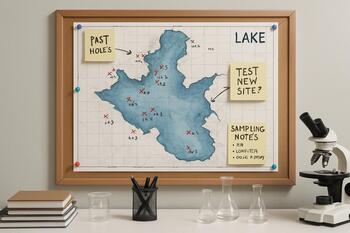
Before you walk out, draw a loose lake shape. Mark where you think the drop-offs and flats sit. Then pick two simple lanes: one shallow, one deeper.
Draw the shoreline as a soft blob, not a perfect map.
Mark one likely shallow bench and one darker deep bowl.
Connect five to seven imagined hole spots into two quiet paths.
Thickness bands
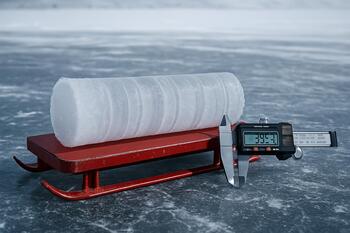
Exact safe numbers depend on your local rules. Here we only show an idea: thin, cautious and comfortable bands, with different behaviour in each.
Early, fragile ice. We stay close to shore, drill test holes often and turn back fast.
Fishable in many places, but only with clean gear, slow walking and a partner.
Solid, well-checked ice. We still measure, but spend more time on rigs than on doubt.
Cracks and sounds
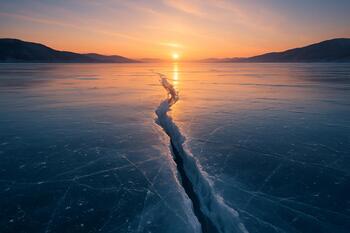
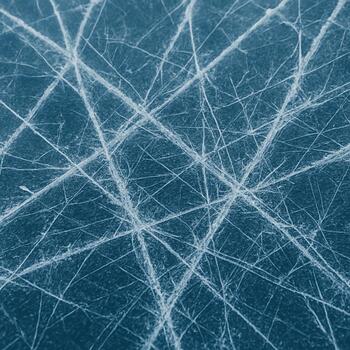
Ice always speaks. These lines are not strict rules, only a way to listen: quiet, talking and shouting ice call for very different moods.
First walking lane
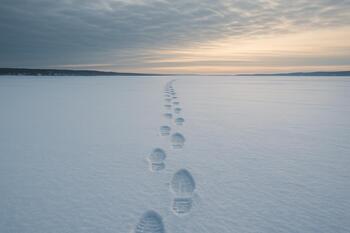
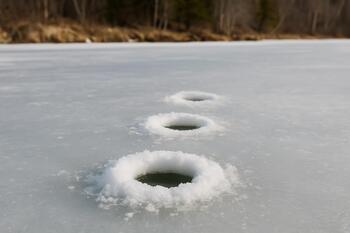
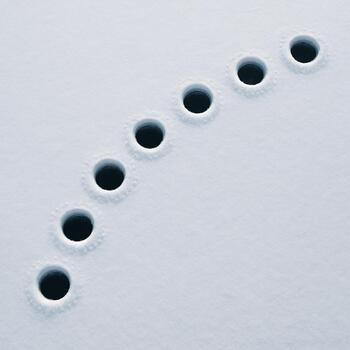
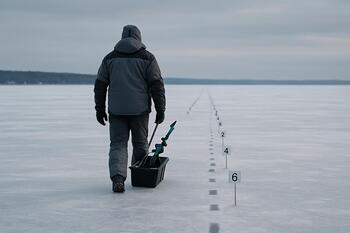
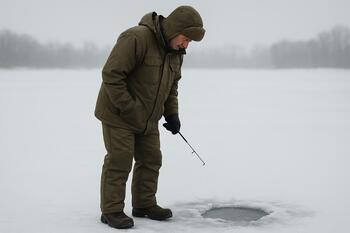
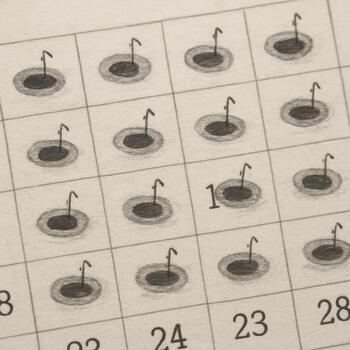
Instead of wandering in circles, we walk one clear lane: from safe shoreline checks to a gentle curve of five or seven holes.
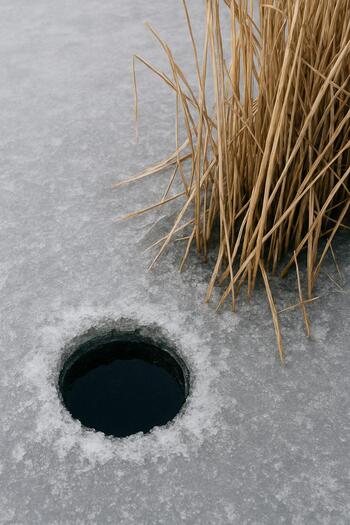
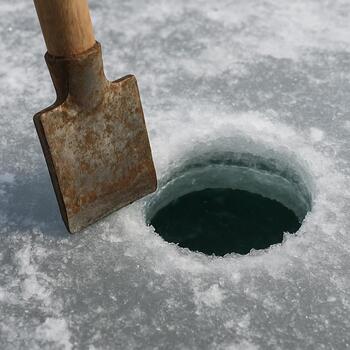
Drill two or three small test holes along a short line from shore. Measure, listen, then decide if you go further.
Once you trust the ice, bend your lane slightly toward the first drop or weed edge you sketched earlier.
Before fishing, stand still in the middle of your lane and listen again. Let the lake answer before your lures do.
Sky and light
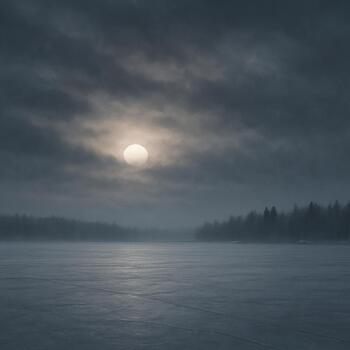
We treat the sky like a fourth instrument. Clear, soft and heavy light all leave different fingerprints on the bite and on how safe the lake feels.
Strong sun, sharp shadows. Glare can hide cracks, so we slow down and use polarized glasses if we have them.
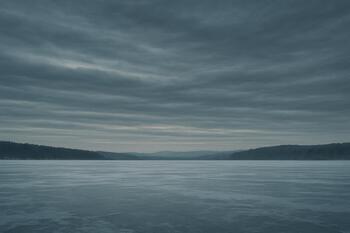
Cloudy, even light. We often get the most honest read on ice colour and thickness in this mood.
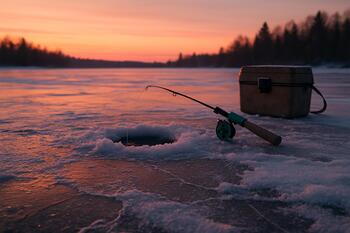
Dusk or dawn glow. Beautiful, but short. We keep safety checks simple and plan our walk home early.
Wind and drift
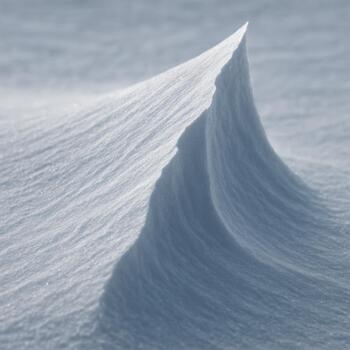
Wind does more than cool your hands. It carves light and heavy snow into bands that show where old cracks, pressure ridges and safe benches might be hiding.
Long ribs often follow old cracks. We cross them slowly and rarely stand right on top.
Hard, shiny bands between snow fields can mark stronger ice, but also slippery footing.
Heavy drifted snow may hide thinner spots near reeds or inflows. We test thickness more often here.
Safety first
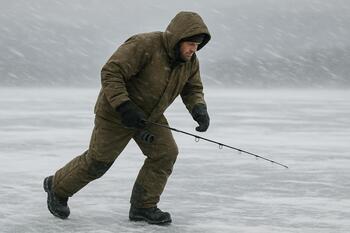
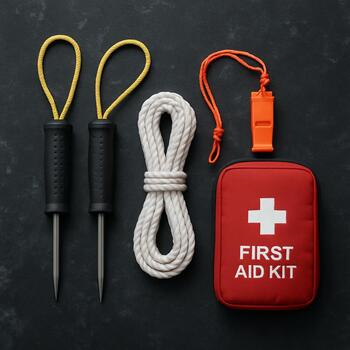
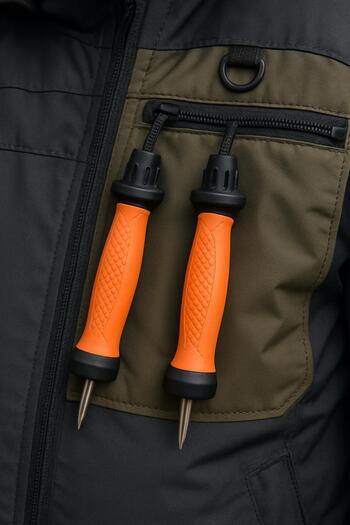
Every lake has its own rules, but our base kit is small: a few items that change how calm you feel with every new crack.
Depth bands
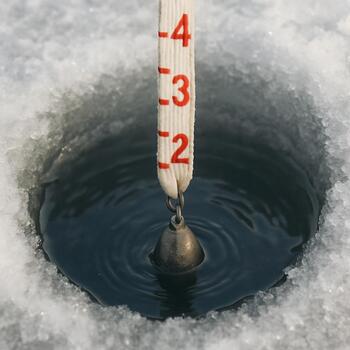
Every lake has its own numbers, but the pattern is similar: a shallow band that wakes up fast, a middle lane that keeps you guessing and a deep bowl that rewards patience.
First light, quick checks. Perfect for early tests with small rigs and fast moves.
Most sessions live here. We watch pressure and light closely before drawing big conclusions.
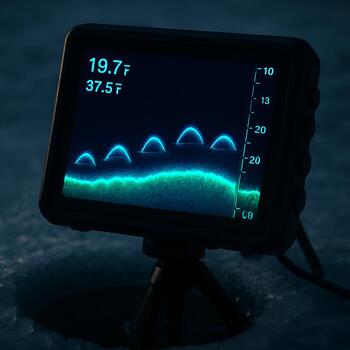
Fewer bites, longer notes. Great for calm days and patient tests with sonar.
Bite windows
We treat the day as three windows, not twelve hours. Each window has its own tempo and favourite notes in the logbook.
Quick drills, small lures and short experiments. Fish often decide fast here.
Slower windows. We change depth and rigs with intention, not out of boredom.
Light fades, holes cool down. We prepare for the last run instead of adding new chaos.
Writing on the ice
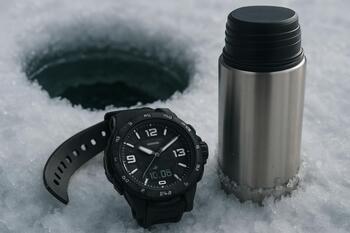
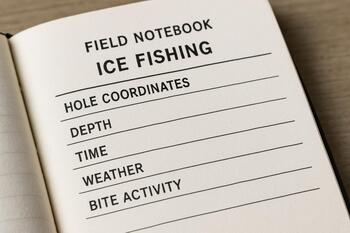
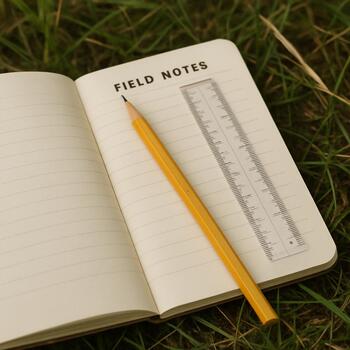
The goal is not perfect calligraphy. We just want to read the page a year later and instantly remember how the lake felt.
When it feels wrong
Sometimes the graphs look fine but the ice, wind or noise feel off. We keep a tiny reset map for those moments.
Cracks change from soft pops to sharp bangs, or the sheet starts moving under your feet. We step back toward shore.
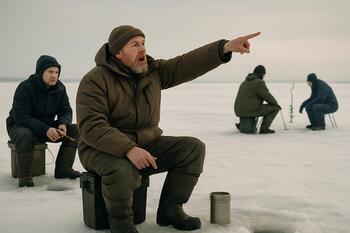
A group suddenly gathers right on our lane. Instead of squeezing in, we log the change and pick a fresh line.
If any partner says “I do not like this spot”, the experiment pauses. No debate needed.
Markers on the ice
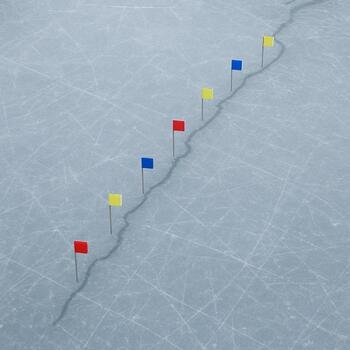
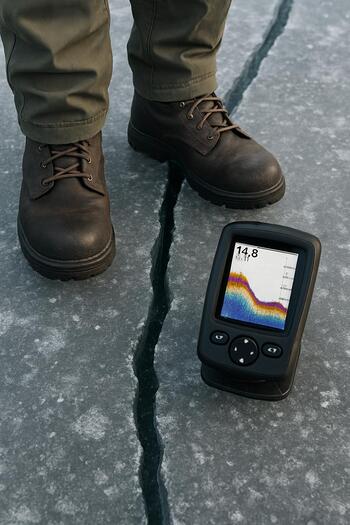
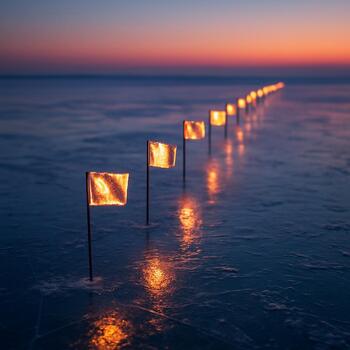
A good day ends with a calm walk home. We use small, lightweight markers that make the return lane obvious, even in flat light.
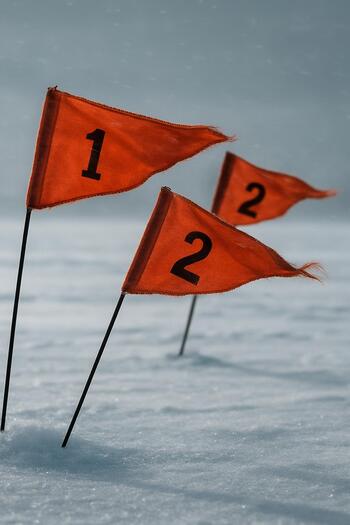
Short reflective flags at knee height. They show direction without waving into the wind too much.
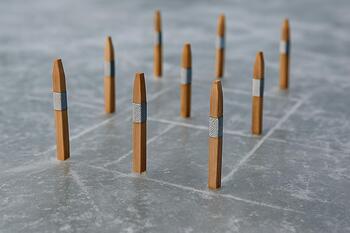
Small bundles of thin sticks mark tricky spots, like old cracks or steep depth jumps.
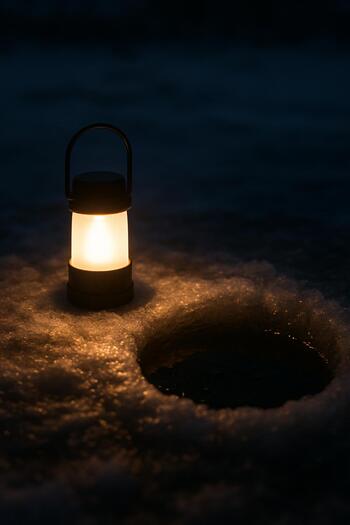
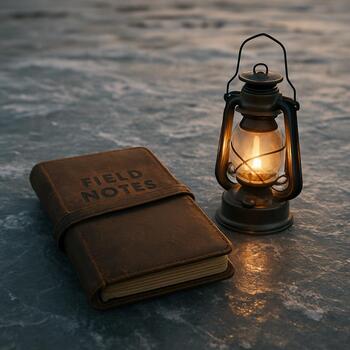
On late sessions we place one small lantern at the mid-point of the lane, not at the final hole.
End of day
We try not to pack in a rush. A short pause beside the last hole turns a messy day into a clear story in the notebook.
Circle one or two holes that taught you the most. Forget the rest for now.
Write a single line about the lake's mood: calm, loud, confusing or steady.
Note one thing you would repeat next time and one thing you would skip.
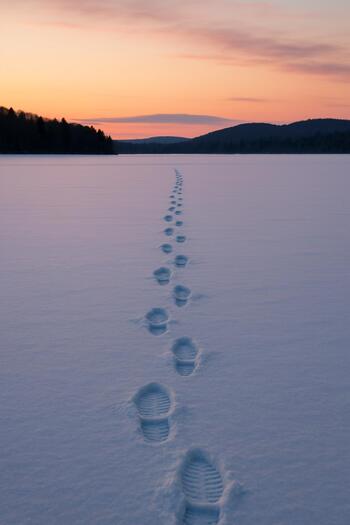
Whole season view
When notes start to pile up, we pin small cards on a simple season board. It keeps first ice panic, deep winter routine and late season surprises on the same line.
Heavy focus on safety bands, test holes and short lanes. We celebrate every clean walk home more than the catch.
Stable thickness, colder hands. Here most of our pressure and rig experiments live.
The ice is still there, but the trust is smaller. We shorten lanes and stop sessions earlier than usual.
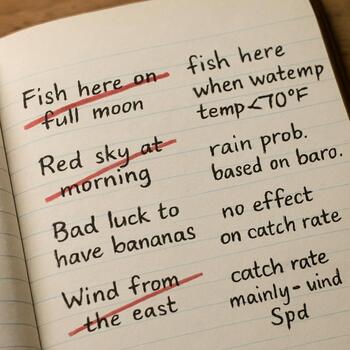
Retired myths
The lake keeps correcting us. This panel is a small tribute to rules that sounded good in the parking lot but broke under real notes.
“Big pressure change means no bite at all.”
Some lakes only shift the time window. Fish still eat, just not when we expect.
“One magic lure works all winter if you believe in it.”
The notes show families that work in bands, not one lucky spoon.
“If the crowd is quiet, the lake must be dead.”
Many of our best sessions happened slightly away from a silent crowd.
Pocket card
The last guide is not a long checklist, just three short lines. We keep them on a small laminated card in the jacket pocket.
1. Listen to the ice first, fish second.
2. Change only one thing at a time.
3. Go home with a clear story, not a perfect number.