Under-ice behaviour lab

PolarHole Lab turns every ice hole into a measurable experiment

Instead of guessing where the fish will bite today, we log depth, pressure, time of day, lure type and real bite reactions for each hole we drill. The result is a living lab notebook for under-ice moves, not another lucky story from the lake.

This home page is your console: one place to see how different holes behave, which setups keep biting when the pressure drops, and why some patches of ice stay “dead” even when sonar looks promising. Every data track below comes from real sessions on frozen water, anonymised but not polished.

Logged holes 247 each with depth, pressure & species
Bite windows 91 spikes of activity mapped to local time
Rig variations 63 jigs, spoons & live baits tested per hole
Open live experiment board
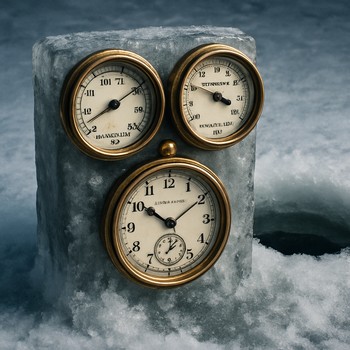
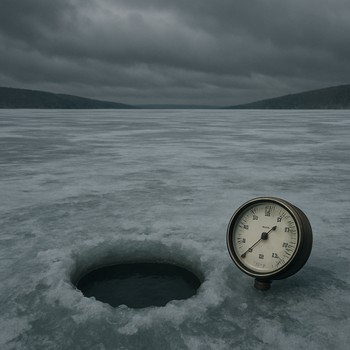
Circular depth dials and notebook page with notes about an ice fishing hole
Depth slice: we log how the water column behaves from ice to bottom for each drilled spot.
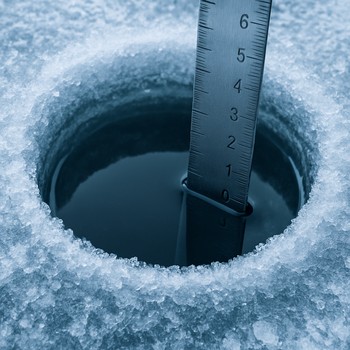
Close-up of a drilled ice fishing hole with a ruler measuring ice thickness
Ice profile: thickness, snow cover and slush layer go into every hole passport.
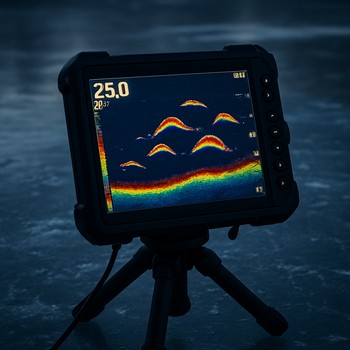
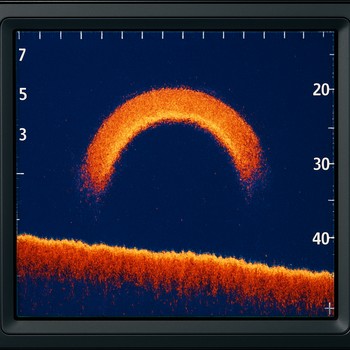
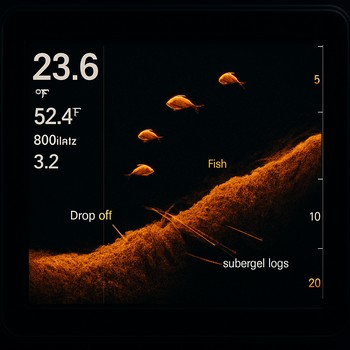
Tablet screen showing under-ice sonar graphs with fish arches and lure movement
Sonar trace: lure track, fish arches and real bite marks on a single time axis.
Depth bands 0–2 m, 2–5 m and deeper holes respond very differently to the same rig.
Pressure shifts we log hourly barometer moves instead of guessing “bad weather”.
Time windows subtle dusk peaks often hide between obvious daytime flurries.

Depth & pressure field

One under-ice plane, three very different bite zones

The same lake can feel like three separate worlds once you mix depth and air pressure. In PolarHole Lab we tag every drilled spot by its depth band and barometer trend, then track how the bite responds in each zone instead of blaming “bad weather” in general.

Shallow shelf band

Under two metres the light is still strong and the bottom often carries weed. We see fast, nervous bites here when pressure rises after a storm, especially from roach and perch. This shelf looks “simple”, yet tiny changes in sky cover switch it on and off like a lamp.

Midwater slope band

Between two and five metres rigs often hang just above the break line. This band reacts best to slow spoons and subtle plastics; heavy jigging scares more fish away than it calls in. Here we follow micro shifts in pressure more than any other range.
Deep basin band

Deeper than five metres the water becomes quieter but more binary. Some sessions stay flat for hours and then explode in a short window. When the barometer falls slowly, this deep band often keeps biting after the shallows have turned into a desert.

Depth Pressure trend
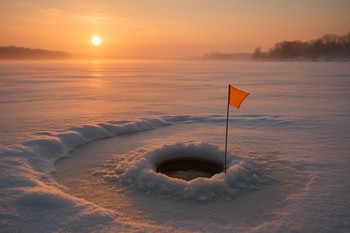
Shallow ice fishing hole on a sunrise shelf with a small strike flag
Shallow hole with a sunrise glow and light rising pressure: sharp perch bursts.
Mid-depth ice fishing hole on a cloudy day with a pocket barometer next to it
Mid-slope hole logged on a cloudy, stable-pressure day: spoons and plastics do the work.
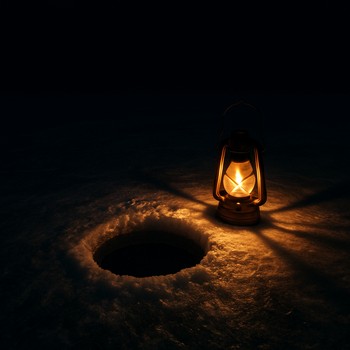
Deep basin ice fishing hole lit by a small lantern on dark evening ice
Deep basin hole under soft lantern light: bites cluster in a short late-evening window.

Hole passports

Every drilled hole receives its own identity card

Instead of writing “good spot near the reeds”, we issue small passports for each hole. They record coordinates, depth, structure, rigs used and species met during the session. When you read them as a chain, lake memory stops being a myth and becomes a file you can scroll.

Hole #A07 Shelf entry

Location

43.•• N / 18.•• E, 40 m off the first weed line, snow cover thin, ice 22 cm.

Session notes

First hole of the day. Roach and small perch reacted to tiny metallic spoons after ten minutes of silence. Bite intensity dropped when we switched to heavier jigs.

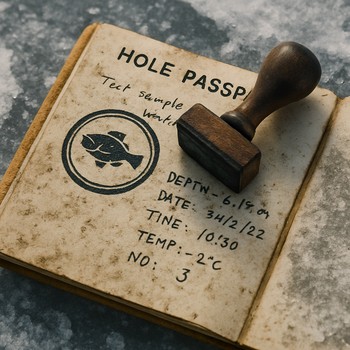
Small notebook with a stamped hole passport and pencil on lake ice
First entry stamp: time, rig and ice thickness in one glance.
Hole #B19 Slope hinge

Location

65.•• N / 14.•• E, just above the sharp drop from 3.5 to 6.2 m, snow drifted into shallow banks.

Session notes

Pressure falling slowly. Pike followed spoons but committed only during a twenty-minute dusk window. After dark, the passport shows a complete shutdown.
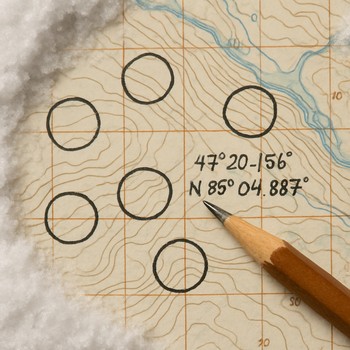
Hand-drawn mini map with coordinates and depth rings for an ice fishing hole
Map stub: a tiny sketch of the break line pinned to the passport page.
Hole #C34 Deep pocket

Location

59.•• N / 27.•• E, circular depression at 7.8 m with a soft mud bottom, surrounded by slightly shallower flats.

Session notes

We rotated three rigs: a glowing spoon, a plain tungsten jig and a live-bait setup. Only the quiet jig produced slow but consistent bites, which the passport stores as a separate rig line.

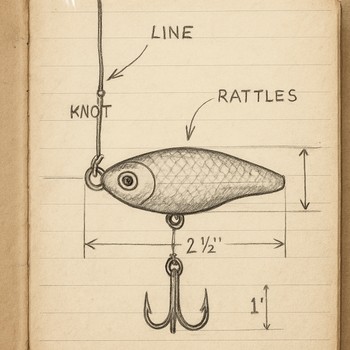
Sketch of three different ice fishing rigs drawn in a hole passport margin
Rig column: a side margin reserved for quick lure sketches.

Rig swap trail

One hole, three lure swaps and a bite curve you can replay

When a hole feels “almost right” we do not leave immediately. We mark a trail of rig swaps on a simple time line to see how fish react to spoons, jigs and live bait in that very column of water. The trail below shows one such controlled experiment.

T0

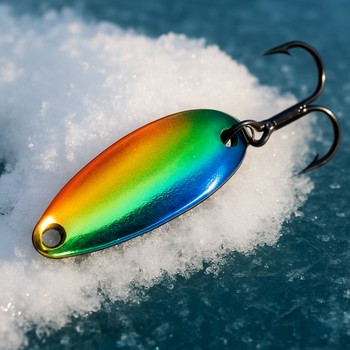
Bright spoon start

First ten minutes we work a bright spoon with sharp lifts. The sonar shows fish passing but very few actual hits. The trail marks this as the baseline state.

Shiny ice fishing spoon lure resting on blue snow next to a drilled hole
T+12

Quiet tungsten jig

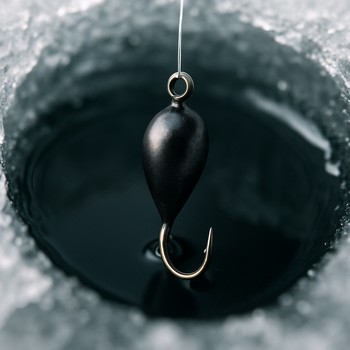
After the first spoon run we clip on a small tungsten jig and slow everything down. Bites appear within three drops, but the fish remain small and cautious.

Tiny tungsten jig hanging over a dark ice fishing hole
T+27

Live-bait lock-in

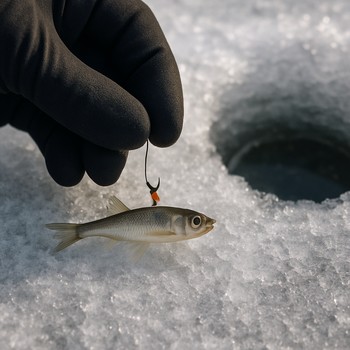
Finally we send down a live-bait rig at the same depth where the jig was getting weak taps. The bites turn slower but far more decisive. On the trail, this third node becomes the moment where the experiment pays off.

Live-bait ice fishing rig coiled on a glove lying on clear ice

The glowing node on the trail marks the rig that currently performs best in similar hole profiles. As more experiments arrive, the highlight shifts automatically.

Bite timing

Dawn, flat day and dusk form three separate bite halos

We log every hit against local time. The result is a ring of three halos that rarely overlap: short dawn spikes, long quiet days and narrow dusk bands.

Circular light halo around an ice fishing hole at dawn
Dawn halo: quick bursts of bites before the light fully settles.
Flat daylight over a snow covered lake with a single drilled ice hole
Midday stays bright but often slow. We mark it as a thin, almost empty ring.
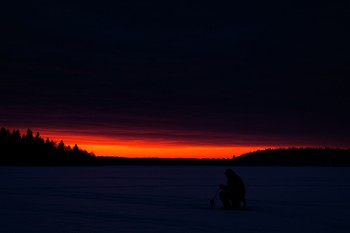
Orange dusk band over a frozen lake with gear silhouettes near a hole
Dusk compresses the action into a short, dense band of hits.

Ice noise

Quiet, creaking and loud ice do not feed fish the same way

Every experiment session receives a simple noise tag. Three lanes below show how bites shift when the ice is silent, creaking or loudly cracking.

Quiet sheet

Best for subtle rigs and long pause games.

Soft creaks

Fish stay alert but still follow slow spoons.

Loud cracks

Bites drop; we log which holes rebound first.

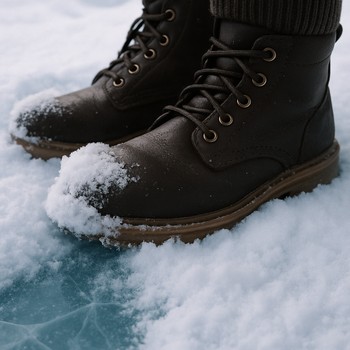
Ice fishing boots standing on soft snow over quiet ice
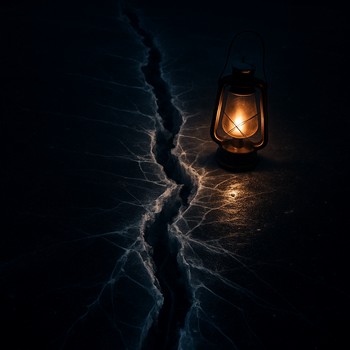
Lantern on night ice near a visible crack line

Anomaly log

Short notes on holes that refused to behave

When a hole breaks the pattern, we flag it here with a tiny snapshot and one sentence.

Deep bites in bright noon

Normally deep pockets peak near dusk; this one woke up at full midday light.

Sonar screenshot showing unexpected fish arches at midday depth

Shallow hole that never shut down

Shelf perch kept biting gently even after loud ice cracks ran through the bay.

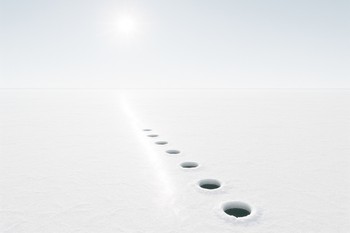
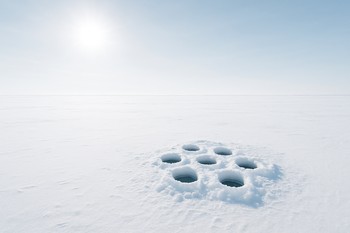
Row of several drilled ice fishing holes on a bright shallow shelf

Session matrix

Three neighbouring holes, one shared data sheet

We sometimes drill a tight triangle of holes and log them as a single matrix. Depth, pressure and rig choices sit in clear rows, so patterns appear faster than in scattered notes.
Hole Depth Pressure Best rig
A07 3.2 m shelf rising tiny spoon, fast lifts
A08 4.5 m edge stable tungsten jig, slow shakes
A09 5.8 m dip falling live bait just off bottom
Overhead view of three drilled ice fishing holes forming a small triangle
On the ice it looks simple: three holes in a tight triangle, one shared session code.
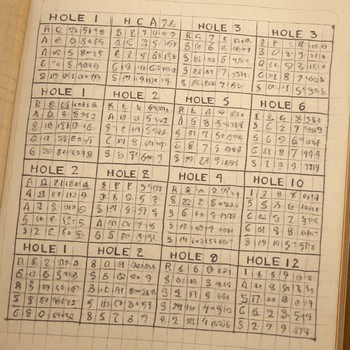
Notebook page with a hand drawn session matrix for several ice fishing holes
On paper the triangle turns into a clean matrix of rows and columns.

Under-ice slice

A single vertical cut explains many strange bites

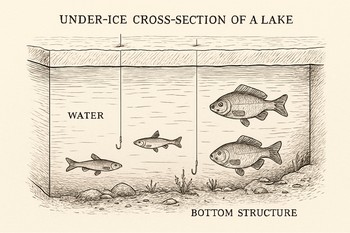
Before we choose a rig, we sketch a quick vertical slice: ice, depth bands and bottom shape. It keeps us honest about where the lure actually travels.

Illustrated under-ice cross section with depth bands and a lure path drawn across
Depth sketch: simple bands with one curved lure path drawn across the basin.

Band focus

Each rig gets one target band instead of wandering through the whole column.

Bottom clues

Soft mud, clean sand or weed clumps are drawn as simple textures, not poetic lines.

Sonar reality

The sketch is updated when sonar arcs disagree with our first guess.

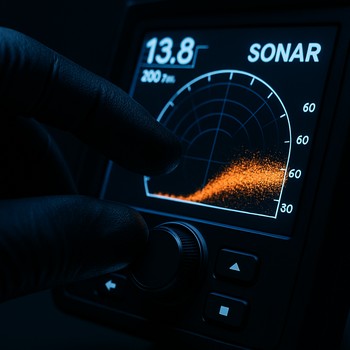
Portable sonar screen showing under-ice side view with clear depth scale

Field loop

A tiny three-step protocol we repeat on every trip

The loop is simple: plan, drill and debrief. Repeating it keeps the lab feeling calm instead of chaotic.

Plan

Pick two or three clear questions before leaving home.

Drill & log

Drill only the holes you can describe later without guessing.

Debrief

Note what surprised you instead of only counting fish.

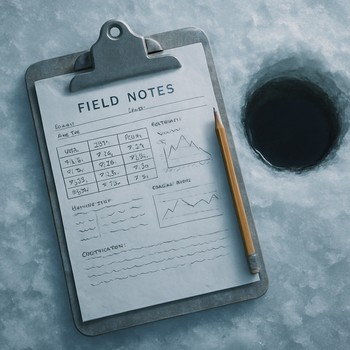
Clipboard with short field notes resting on lake ice
Thermos and pencil placed next to a small logbook on the ice

Species ladder

Perch, roach and pike react in steps, not in chaos

When we stack hole logs by species, a simple ladder appears: some fish accept noisy moves first, others only follow once the water calms down.

Perch Often first to check bright spoons and quick jigging.
Roach Joins when pressure steadies and movements slow down.
Pike Waits for longer pauses and clear silhouettes in the column.
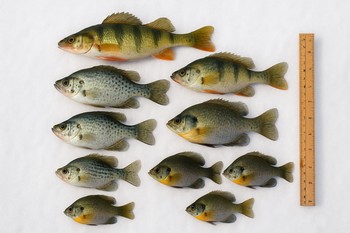
Mixed ice fishing catch of perch, roach and a small pike on clean snow
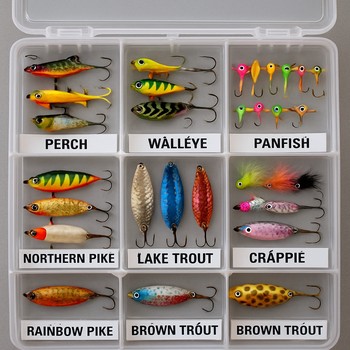
Open lure box with spoons, jigs and leaders sorted by target species

Micro decisions

Tiny choices on the ice get a short one-line log

We keep a thin strip in the notebook for small but important decisions: when we moved one metre, changed jig colour or raised the lure just a palm higher.

Shift

Slid hole position three steps toward the weed shadow.

Colour

Swapped silver jig for dull copper after two missed hits.

Depth

Lifted lure half a metre above marks instead of chasing them down.

Pause

Doubled pause length when ice noises increased.

Angler hand adjusting a small sonar dial while watching the screen
Pencil circling a short handwritten note in a field logbook

Starter layout

A simple first kit for anyone who wants to treat holes like data

You do not need lab shelves to begin. One small box, a notebook and a calm pace already turn every trip into an experiment.

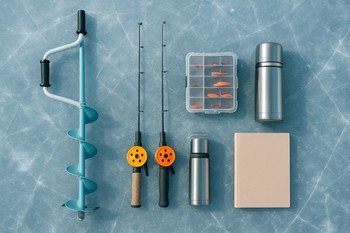
Flat lay of a minimal ice fishing kit arranged neatly on blue ice
Core kit: one box of rigs, a compact sonar, scoop and warm gloves.
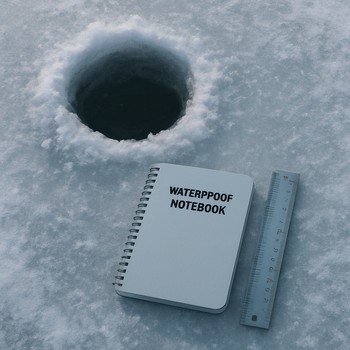
Small notebook and ruler lying next to a freshly drilled ice hole
Notebook kit: a ruler for depth marks and a page per session.
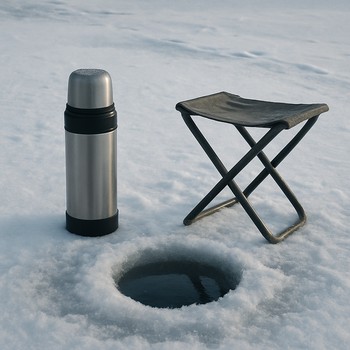
Compact stool and thermos standing beside a single ice fishing hole
Comfort kit: a light stool and thermos so you can stay long enough to observe.

Archive shelf

The lab shelf keeps seasons in three clear rows

Each season gets its own row: early ice, deep winter and thaw. We slide hole passports and session cards into these rows so last year’s notes stay easy to reach.

Early ice row

Thin, clear ice and short walks. Bite logs here are full of experiments with light rigs.

Deep winter row

Thick snow cover and longer drills. Most pressure curves come from this dense middle band.

Thaw row

Last, softer ice and ringing cracks. We save a separate row for these fragile but productive days.

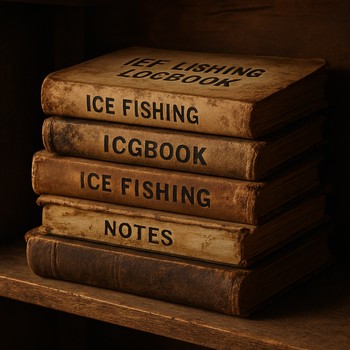
Stack of worn field logbooks resting on frosty winter ice
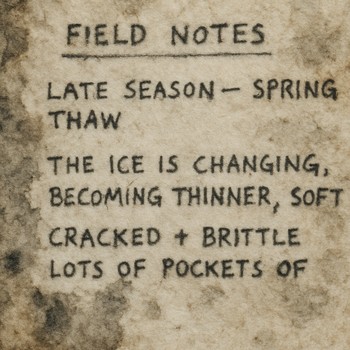
Ice fishing hole near thawing shoreline with notes lying on wet ice
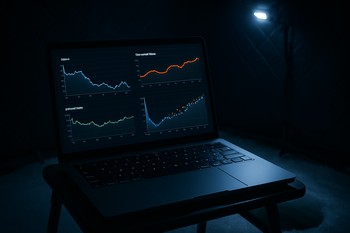
Laptop showing an under-ice data dashboard during a night ice session

Quiet invite

Turn your next ice trip into a calm little lab

You can borrow any idea from PolarHole Lab: hole passports, rig trails or small decision strips. Keep what fits and ignore the rest—the lake will still tell you if it likes the changes.

  • Pick one lake question you care about and write it down before you leave home.
  • Log three holes fully instead of ten holes quickly.
  • Save at least one anomaly that surprised you, even if you cannot explain it yet.
Ice angler reading notebook pages beside a warm lantern near a hole
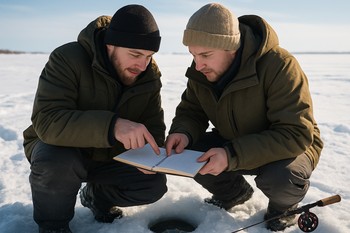
Two ice fishing partners sitting by a hole and sharing one field notebook
Solo angler walking across open ice carrying a small gear sled